대학 계획 도구인 College Planner가 청소년을 위한 ChatGPT에 추가됩니다. 새로운 청소년 AI 자문위원회와 학습 도구도 함께 마련됩니다.
불러오는 중…18세 미만으로 확인된 계정에 기본으로 적용되는 ChatGPT for Teens를 선보인 뒤, 청소년들이 이를 학습하고 아이디어를 탐구하며 일상적인 문제를 해결하는 데 활용하는 모습을 확인했습니다. 오늘은 청소년들이 학습 도구를 어떻게 사용하는지를 포함해 ChatGPT for Teens의 초기 진행 상황을 소개합니다. 청소년이 공부하고 대학 진학을 준비할 수 있도록 돕는 새로운 방법도 함께 공개합니다.
ChatGPT 이용자 12억 명은 여러 나라와 공동체, 다양한 배경을 아우릅니다. 이처럼 폭넓게 이용되는 서비스인 만큼, 서로 다른 자원과 기회를 가진 청소년들이 배우고 미래를 준비하도록 돕는 도구를 만드는 일이 특히 중요합니다.
현재까지 확인한 내용
ChatGPT for Teens는 청소년이 배우고 비판적으로 생각하며 이해를 넓히도록 설계됐습니다. ChatGPT for Teens가 전 세계 더 많은 청소년에게 제공되면서, 이용할 수 있었던 청소년은 아직 이용할 수 없었던 청소년보다 학습 관련 메시지를 평균 약 270만 건 더 보냈습니다.
가입한 청소년들은 ChatGPT for Teens의 학습 도구를 폭넓게 사용합니다. 대화를 시작할 때 가장 많이 선택한 문구는 “내 아이디어를 발전시킬 질문을 해줘”, “내 초안에 피드백을 줘”, “내 근거를 확인하도록 도와줘”였습니다. 일주일 동안 약 120만 명의 청소년이 수학과 과학 개념을 더 잘 이해하기 위해 Learning Visualizations(학습 시각화)를 사용했고, 18만 명이 넘는 청소년은 단계별 학습 지원을 위해 Study Mode(학습 모드)를 사용했습니다.
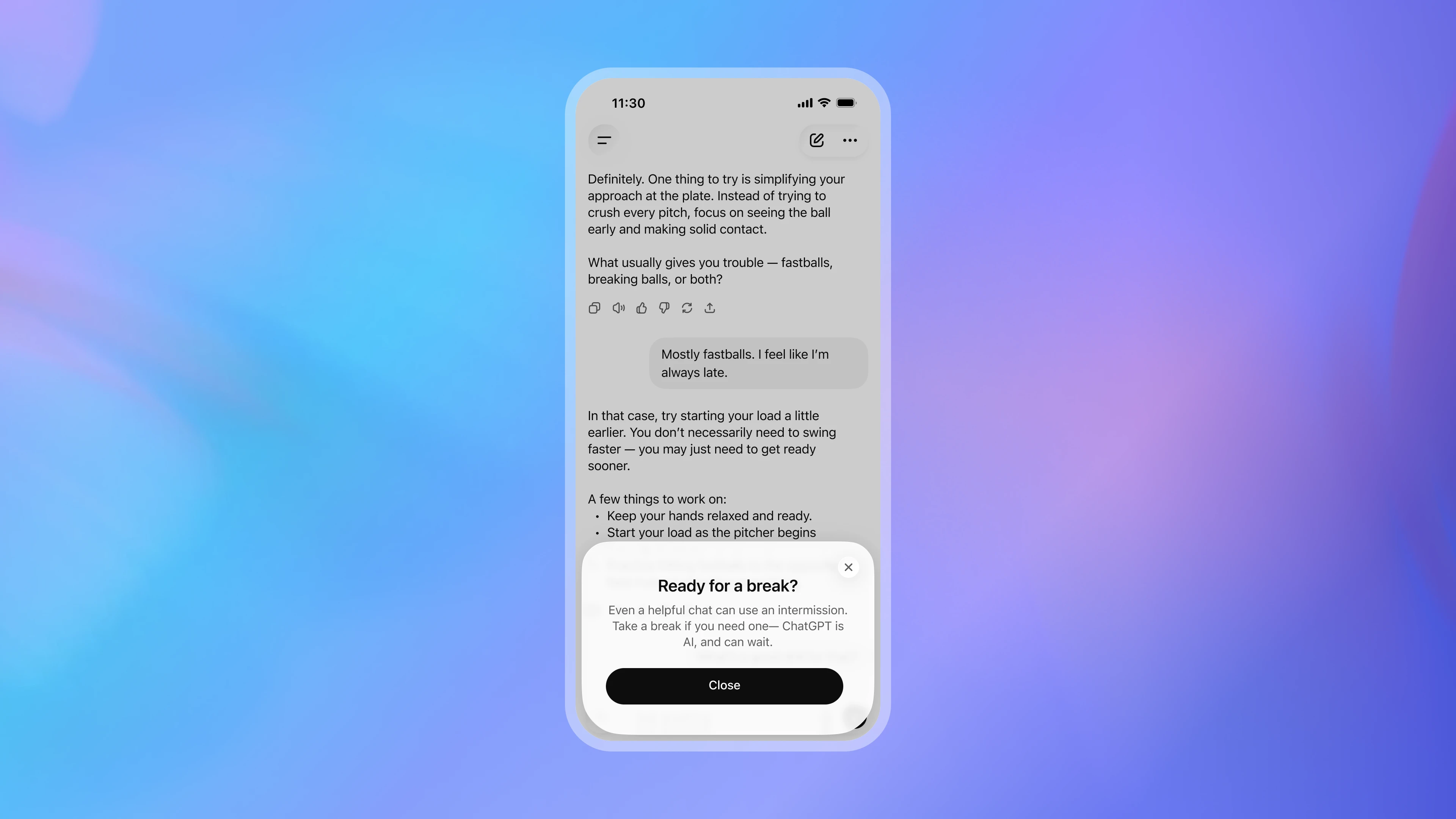
ChatGPT for Teens에는 청소년이 쉬도록 권하는 알림 기능이 내장돼 있습니다. 청소년은 하루 평균 15분 미만으로 ChatGPT를 사용합니다. 3시간 넘게 연속으로 사용하는 청소년은 2% 미만입니다. 쉬라는 알림이 표시된 청소년 대화 가운데 거의 절반에서는 청소년이 5분 안에 쉬거나 대화를 끝냈습니다. 이러한 이용 양상은 공개적으로 보고된 청소년의 소셜미디어 이용 시간 평균 5시간보다 훨씬 짧습니다. 또 가만히 화면을 넘겨 보는 것과는 다른 경험을 보여줍니다. ChatGPT는 학습과 창작, 무언가를 만드는 활동을 위해 설계됐습니다. 3시간 넘게 연속으로 사용한 청소년 가운데 80% 이상은 학습과 관련된 질문을 적어도 한 번 했습니다.
이러한 초기 징후는 긍정적입니다. 앞으로도 청소년과 가족, 교육자의 의견을 듣고 이용 경험을 평가해 ChatGPT for Teens를 개선하겠습니다.
청소년의 다음 단계를 돕는 College Planner 소개
미국 청소년 수십만 명이 매주 ChatGPT를 대학 진학 계획에 활용합니다. 지원 절차를 계획하고 마감일을 확인하며 학교를 조사하고 재정 지원을 이해하는 데 사용합니다.
이에 따라 곧 ChatGPT for Teens에 College Planner를 추가합니다. 대학에 지원하는 실무적인 단계를 관리하도록 돕되, 어느 대학에 지원할지 스스로 결정하는 과정은 대신하지 않도록 설계하고 있습니다. 학생마다 대학 지원을 도와줄 사람과 자원에 접근할 수 있는 정도는 다릅니다. 경제적 여건과 관계없이 더 많은 학생이 도움을 받고 상담사와 자문가, 가족의 안내도 함께 받을 수 있도록 하는 것이 목표입니다.
College Planner는 학생이 선택한 학교의 지원 요건과 마감일, 해야 할 일, 재정 지원 절차를 하나의 계획으로 모아 보여줍니다. 여러 대학에 지원하는 학생은 이 계획을 다시 확인해 진행 상황을 업데이트하고, 일정을 보며 미리 계획을 세우고 남은 일을 확인할 수 있습니다. 진행 중에 요건의 뜻이나 시작 방법 등 궁금한 점을 ChatGPT에 물어볼 수도 있습니다. 이러한 단계를 한곳에 모아 학생과 가족의 시간을 아끼고 부담스러운 절차를 더 관리하기 쉽게 만들고자 합니다.
초기 미국 서비스는 4년제 대학 진학을 계획하는 10~12학년 고등학생을 대상으로 설계하고 있습니다. 앞으로 College Planner를 더 많은 나라의 학생에게 제공하고, 2년제 대학과 기술대학, 직업학교 등으로 지원 범위를 넓힐 계획입니다.
College Planner는 학생이 대학 학비를 마련하는 방법을 알아보는 데도 도움을 줍니다. 재정 지원 요건을 이해하고 각 학교의 지원 마감일을 확인하며 장학금과 수수료 면제 제도를 찾아볼 수 있습니다.
지원 절차를 확인하는 일은 대학 진학 준비의 한 부분일 뿐입니다. 많은 학생은 선택지를 이해하도록 도와줄 사람도 필요합니다. College Planner와 함께 College Advising Corps(대학 진학 상담 단체)를 지원합니다. 이 비영리단체는 자원이 부족한 고등학교에 최근 대학을 졸업한 상담사를 배치해 학생들이 고등교육에 진학하는 길을 찾도록 돕습니다. OpenAI의 지원금은 이 단체가 새로운 주로 활동을 확대하고 AI 펠로십 프로그램을 만드는 데 쓰입니다. 이 프로그램에서 참여 주의 상담사들은 더 많은 학생이 대학 진학 경로를 찾도록 AI를 활용하는 실용적인 방법을 시험하고 공유합니다. AI는 학생이 지원과 등록 업무를 관리하도록 도울 수 있습니다. 상담사는 학생이 선택지를 살펴보고 다음에 할 일을 결정하도록 도울 수 있습니다.
“대학 지원 절차를 밟는 학생에게 서류나 마감일, 비용에 대한 질문에 답을 얻지 못하면 문이 닫힌 것처럼 느껴질 수 있습니다. College Advising Corps의 상담사들은 학생이 그런 순간을 자신 있게 헤쳐 나가도록 돕습니다. College Planner는 학생이 상담사와 대화할 준비를 하고, 계획을 지키며, 감당할 수 있고 자신의 목표에 맞는 대학을 향해 계속 나아가도록 도울 수 있는 도구라고 기대합니다.”
—에카테리나 스트루엣, College Advising Corps 최고경영자청소년 참여를 돕기 위해 보스턴 아동병원 지원
ChatGPT for Teens를 선보일 때 이용 경험을 계속 개선하겠다고 약속했습니다. 앞으로 3년 동안 보스턴 아동병원의 Digital Wellness Lab(디지털 웰빙 연구소)과 독립적으로 운영되는 학생 자문위원회를 지원합니다. 청소년에게 AI가 삶에서 어떤 역할을 하는지 직접 듣고, AI를 설계하는 과정에서 청소년이 의미 있는 목소리를 낼 수 있도록 하기 위해서입니다.
2026~27학년도에 연구소는 두 분야에서 약 22명의 학생을 모읍니다. 14~18세 학생 약 12명은 각자의 지역사회에서 디지털 웰빙 프로젝트를 진행합니다. 16~20세 학생 약 10명은 AI 챗봇과 신기술 개발에 집중합니다. 학생들은 디지털 웰빙과 AI 프로젝트에서 연구자, 의료 전문가와 함께 일합니다. AI 분야 학생들은 도구를 시험하고, 학습과 개인 생활에서 AI를 사용하는 경험을 바탕으로 개선점을 제안합니다. 청소년 안전 기본 설정과 보호자 통제 기능, 알림, AI 이해 교육에 대한 의견을 들을 예정입니다.
청소년은 자신의 미래를 만들어갈 도구를 개발하는 과정에서 중심적인 역할을 해야 합니다. 청소년은 도구를 시험하고 이를 만드는 사람들에게 개선 방안을 제안합니다. 이러한 제안을 제품과 모델에 관한 결정에 초기부터 반영하고, 무엇을 왜 바꿨는지 학생들에게 알리는 것이 목표입니다. 이 자문위원회는 청소년이 그 과정에 직접 목소리를 내도록 하고, 더 넓은 업계가 청소년을 위한 더 나은 도구를 만드는 데 참고할 의견과 제안을 공유합니다.
“청소년은 어른들이 갖지 못한 중요한 통찰과 지식을 제공합니다. 무엇이 효과가 있고, 무엇이 실패하며, 무엇을 바꿔야 하는지 알고 있습니다.”
—마이클 리치 박사, Digital Wellness Lab 설립자 겸 소장, 코리 스토트 전무이사, 2026년 4월청소년이 플래시카드와 퀴즈로 공부할 수 있는 더 많은 방법
학생들은 노트를 촬영해 ChatGPT에 올리는 데 몇 시간씩 걸릴 수 있다고 알려왔습니다. 학생들이 노트를 플래시카드나 퀴즈 같은 학습 자료로 더 쉽게 바꿀 수 있도록 하고 있습니다.
연속 다중 사진 촬영 기능을 사용하면 학생들은 노트 여러 쪽을 촬영해 하나의 PDF 파일로 자동 결합한 뒤 ChatGPT에 올릴 수 있습니다. 이 기능은 iOS에서 이용할 수 있으며, Android에도 제공하기 위해 준비하고 있습니다.
청소년이 배운 내용을 연습하도록 돕는 플래시카드도 추가합니다. 예를 들어 생물 시험을 준비하는 학생은 수업 노트를 올리거나 주제를 선택할 수 있습니다. 그러면 ChatGPT가 복습용 카드로 내용을 바꿔줍니다. 학생은 아는 카드에 표시하고 틀린 카드를 다시 보거나, 카드를 섞어 한 번 더 복습할 수 있습니다. 카드 묶음은 청소년의 Library(보관함)에 저장돼 중단한 곳부터 쉽게 이어서 공부할 수 있습니다. 학생은 ChatGPT에 플래시카드를 불러오고 복습 일정을 예약하는 작업을 만들어달라고 할 수도 있습니다.
플래시카드와 함께 ChatGPT에서 퀴즈를 더 쉽게 만들 수 있도록 했습니다. 이제 학생들은 노트를 올려 상호작용형 퀴즈로 만들 수 있습니다. ChatGPT는 사용자가 퀴즈를 원한다는 점을 더 잘 알아차리고 대화창에서 바로 퀴즈를 만들 수 있습니다.
ChatGPT for Teens가 발전함에 따라 청소년과 가족, 교육자의 의견을 계속 듣겠습니다. 보호 기능이 실제로 어떻게 작동하는지 확인하고, 알게 된 내용을 공유하겠습니다.
2026년
ChatGPT
작성자
OpenAI더 읽기
모두 보기GPT-6와 모두를 위한 지능형 UI제품2026년 10월 7일
사람들의 AI 이용 방식에 맞춘 광고 만들기제품2026년 10월 5일
GPT-6로 만드는 실용 안내서제품2026년 10월 2일
영어 원문
Helping teens learn, plan, and shape the future of AI
October 7, 2026
ProductHelping teens learn, plan, and shape the future of AI
College Planner is coming to ChatGPT for teens, alongside a new teen AI council and more tools for learning.
Loading…Since we introduced ChatGPT for Teens—the default experience automatically applied to accounts identified as under 18—we’ve seen young people use it to learn, explore ideas and solve everyday problems. Today, we’re sharing early progress on ChatGPT for Teens, including how teens are using its learning tools, along with new ways for teens to study and prepare for college.
ChatGPT’s 1.2 billion users span many countries, communities and backgrounds. That reach makes it especially important to build tools that help young people with different resources and opportunities learn and prepare for their futures.
What we’re seeing so far
ChatGPT for Teens is designed to help young people learn, think critically and deepen their understanding. As ChatGPT for Teens became available to more teens globally, those with access sent about 2.7 million more learning-related messages on average than those who didn’t have it yet.
Once enrolled, teens use ChatGPT for Teens’ learning tools at scale. The most selected conversation starter prompts are “ask questions to develop my ideas,” “give feedback on my draft,” and “help me check my evidence.” In one week, nearly 1.2 million teens used Learning Visualizations to better understand math and science concepts, and more than 180,000 used Study Mode for step-by-step learning support.
ChatGPT for Teens includes built-in reminders to encourage teens to take breaks. On average, teens spend under 15 minutes a day on ChatGPT. While less than 2% of teens spend more than three consecutive hours on ChatGPT, in almost half of teen conversations with a break reminder, teens took a break or ended their conversation within five minutes. These usage patterns remain well below the publicly reported(opens in a new window) average of 5 hours for teen social media usage, and reflect a different kind of experience: ChatGPT is designed for learning, building, and creativity, rather than passive scrolling. Among teens with sessions longer than three consecutive hours, over 80% had at least one prompt related to learning.
These early signs are encouraging and we’ll continue to evaluate the experience and learn from teens, families and educators to improve ChatGPT for Teens.
Introducing College Planner to help teens prepare for what’s next
Hundreds of thousands of US teens use ChatGPT each week to plan for college. They’re using it to plan applications, track deadlines, research schools and understand financial aid.
That’s why we’ll soon be adding College Planner to ChatGPT for Teens. We’re designing it to help students manage the practical steps of applying to college, without taking over the personal work of figuring out where they want to apply. Students have different levels of access to support with college applications. Our goal is to make help more accessible, regardless of financial circumstances, alongside guidance from counselors, advisers, and families.
College Planner brings together application requirements, deadlines, tasks, and financial-aid steps for schools on a student’s list in one plan. Students applying to several colleges can return to it to update their progress, use the timeline to plan ahead and see what’s left to do. They can also ask ChatGPT questions along the way, from what a requirement means to how to get started. By bringing these steps together, we aim to save students and families time and make a stressful process feel more manageable.
We’re designing the initial US experience for high-school students in grades 10–12 who are planning to attend a four-year college. We plan to bring College Planner to students in more countries and expand support to two-year colleges, technical colleges, trade schools and more over time.
College Planner also helps students figure out how to pay for college. They can get help understanding financial aid requirements, track each school’s aid deadlines, and explore scholarships and fee waivers.
Keeping track of an application is only one part of preparing for college. Many students also need someone to help them make sense of their options. Alongside College Planner, we’re supporting College Advising Corps(opens in a new window), a nonprofit that places recent college graduates as advisers in under-resourced high schools to help students navigate the path to higher education. OpenAI’s contribution will help the organization expand into new states and create an AI fellowship program. Through the fellowship, advisers across participating states will test and share practical ways to use AI to help more students navigate the path to college. AI can help students manage application and enrollment tasks. Advisers can help them consider their options and decide what to do next.
“For students navigating the college application process, an unanswered question about a form, deadline, or fee can feel like a closed door. College Advising Corps advisers help students work through those moments with confidence. We see promise in College Planner as a tool that can help students prepare for those conversations, stay on track, and continue moving toward a college that is affordable and aligned with their goals.”
—Ekaterina Struett, CEO, College Advising CorpsSupporting Boston Children’s Hospital to engage teens
When we introduced ChatGPT for Teens, we committed to keep improving the experience. We’re supporting Boston Children’s Hospital’s Digital Wellness Lab(opens in a new window) and its independent Student Advisory Council(opens in a new window) over the next three years to learn directly from young people about how AI fits into their lives and to give teenagers a meaningful stake at the table as AI is being designed.
For the 2026–27 school year, the Lab will bring together ~22 students across two tracks: ~12 students ages 14–18 working on digital wellbeing projects in their communities and ~10 students ages 16–20, focused on building AI chatbots and emerging technology. These students will work alongside researchers and clinicians on digital wellbeing and AI projects. Students in the AI track will test tools and recommend changes based on how they use AI in learning and their personal lives. We expect to seek feedback on teen safety defaults, parental controls and notifications and AI literacy.
Teens should play a central role in developing the tools that will shape their future. Teens will test tools and develop recommendations for the people building them. Our aim is to bring those recommendations into product and model decisions early and to report back to students on what we change and why. This advisory board will give them a direct voice in that work and share their insights and recommendations to help the wider industry build better tools for young people.
“Young people bring critical insights and knowledge that adults don’t have. They see what works, what fails, and what needs to change.”
—Dr. Michael Rich, Founder & Director and Cori Stott, Executive Director, Digital Wellness Lab, April 2026.More ways for teens to study with flashcards and quizzes
We heard from students that photographing and uploading their notes to ChatGPT can take hours. We’re making it easier for students to turn their notes into study materials like flashcards and quizzes.
With continuous, multi-photo capture, students can photograph multiple pages of notes and automatically combine them into a single PDF, ready to upload to ChatGPT. This is available on iOS, and we’re working to bring it to Android.
We’re also adding flashcards to help teens practice what they’re learning. A student preparing for a biology test, for example, can upload class notes or choose a topic, and ChatGPT can turn the material into cards to review. They can mark the cards they know, return to the ones they missed or shuffle the deck for another round. Decks are saved in a teen’s Library, so it’s easy to pick up where they left off. Students can also ask ChatGPT to pull up the flashcards and create a scheduled task to practice them.
Alongside flashcards, we’ve made it easier to create Quizzes in ChatGPT. Students can now upload their notes to turn them into interactive quizzes, and ChatGPT is better at recognizing when you want a quiz and creating one directly in chat.
We’ll keep learning from teens, families and educators, checking how protections work in practice and sharing what we learn as ChatGPT for Teens evolves.
2026
ChatGPT
Author
OpenAIKeep reading
View allGPT-6 and Intelligent UI for everyoneProductOct 7, 2026
Building advertising for the way people use AIProductOct 5, 2026
A practical guide to building with GPT-6ProductOct 2, 2026