엔비디아는 양자 컴퓨팅과 보건, 에너지 안보 등 분야의 미국 과학 연구를 지원하기 위해 향후 5년간 10억 달러 규모의 지원을 약속했습니다. 이번 발표는 워싱턴에서 열린 행사에서 이뤄졌으며, 엔비디아와 미국 국립 연구소의 20년 넘는 협력을 바탕으로 합니다.
보도자료 · 한국어 번역업로드
글자 크기
뉴스 요약:
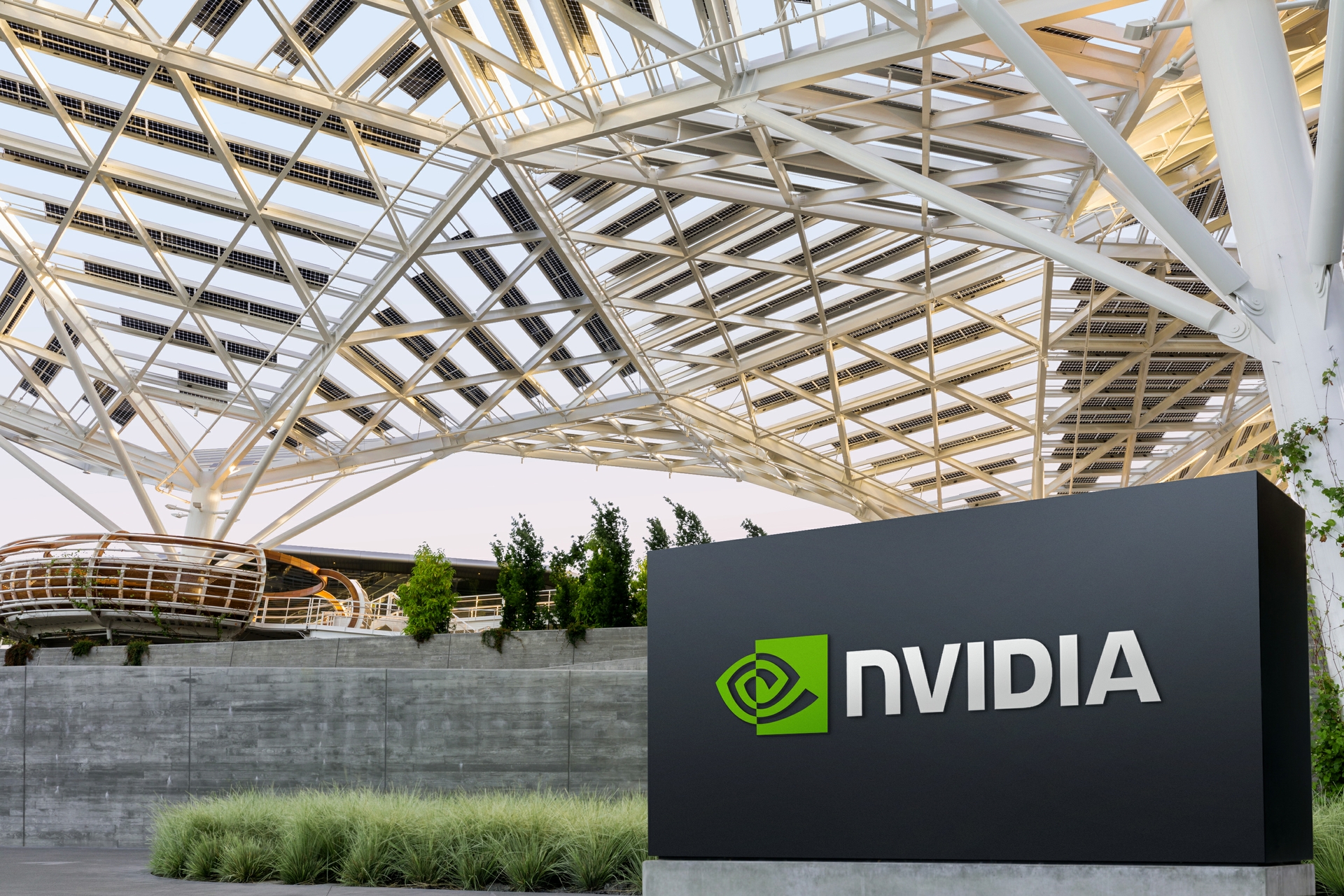
NVIDIA 공식 소개 이미지 · 기사 관련 참고 이미지출처: 엔비디아 공식 보도자료 · NVIDIA
엔비디아는 향후 5년간 미국 과학 발전을 위해 10억 달러 규모의 지원을 약속한다고 발표했습니다. 발표는 워싱턴에서 미국 정부 관계자와 업계 지도자, 과학계 인사들이 참석한 행사에서 이뤄졌습니다.
이번 발표는 엔비디아와 미국 국립 연구소가 20년 넘게 이어 온 협력을 바탕으로 합니다.
엔비디아는 오늘 미국이 양자 컴퓨팅·보건·에너지 안보 등 주요 분야에서 선도적 위치를 유지하는 데 필요한 초지능 연구개발 역량을 구축하기 위해 10억 달러 규모의 지원을 약속한다고 발표했습니다.
발표는 워싱턴 D.C.에서 열린 ‘과학: 새로운 황금기’ 행사에서 이뤄졌습니다. 미국 정부 관계자와 업계 지도자, 과학계 인사들은 과학 탐구를 강화하는 데 필요한 공공·민간 협력 방안을 논의했습니다.
엔비디아 창립자 겸 CEO 젠슨 황은 “트럼프 대통령의 제네시스 미션이 미국의 발견을 위한 새로운 황금기를 열고 있습니다. 엔비디아는 10억 달러를 투자해 첨단 초지능을 미국 과학자들이 활용할 수 있도록 하고, 의학·에너지·소재 분야의 돌파구를 앞당기겠습니다. 이것이 미국이 과학 분야의 선도적 위치를 산업 분야의 선도력으로 바꾸고, 혁신을 여러 세대에 걸친 일자리와 기회로 연결하는 방법입니다”라고 말했습니다.
행사에서 미국 백악관 과학기술정책실은 엔비디아가 주요 산업 파트너로 참여하는 제네시스 미션의 확대를 기념했습니다. 이에 엔비디아는 과학계 인사들에게 컴퓨팅 및 초지능 기반 시설 자원을 활용한 연구개발 협력을 제안했습니다. 이를 통해 과학적 발견을 앞당기고 미국의 혁신을 촉진하려는 목적입니다.
미국의 과학적 발견 분야 선도력 강화
앞으로 5년간 엔비디아는 미국 전역에서 과학 분야 초지능과 양자 컴퓨팅의 발전을 위해 10억 달러를 지원합니다. 여기에는 미국 고등교육 연구기관 지원, 미국의 양자 기술 선도력 강화를 위한 투자, 미국 정부의 임무 수행을 지원하는 클라우드 서비스 제공업체 지원이 포함됩니다.
엔비디아는 오늘 행사에서 발표된 제네시스 미션 2단계 지원 과제에도 여러 건 협력자로 참여합니다. 해당 과제에는 양자 컴퓨팅, 핵융합, 가속기 설계, 마이크로전자 분야가 포함됩니다.
엔비디아는 20년 넘게 미국 국립 연구소와 협력해 왔습니다. 지난해에는 미국 에너지부(DOE)와 제네시스 미션 협력을 발표했습니다. 여기에는 아르곤 국립연구소에서 과학 연구용으로 에너지부 최대 규모의 슈퍼컴퓨터를 구축하는 엔비디아의 작업이 포함됩니다. 또한 아르곤 및 로스앨러모스 국립연구소에 새 시스템 7개를 지원해 기술 분야에서 미국의 선도력을 높이려는 에너지부의 임무를 돕고 있습니다.
영어 원문
NVIDIA Commits $1 Billion to Advance US Science Over the Next Five Years
News Summary:
NVIDIA announces commitments valued at $1 billion to advance U.S. science over the next five years, at a Washington event convening U.S. officials, industry leaders and members of the science community.
This builds on longstanding collaboration between NVIDIA and national labs, spanning two decades.
NVIDIA today announced commitments valued at $1 billion to build out the United States’ capacity for super intelligence research and development in fields critical for U.S. leadership, including quantum computing, healthcare and energy security.
The announcement was made during the Science: A New Golden Age event in Washington, D.C., where U.S. officials, industry leaders and members of the science community convened on the public-private collaborations needed to bolster scientific exploration.
“President Trump’s Genesis Mission is launching a new golden age of American discovery,” said Jensen Huang, founder and CEO of NVIDIA. “With a $1 billion investment, NVIDIA is putting advanced Super Intelligence in the hands of America’s scientists to accelerate breakthroughs in medicine, energy and materials. This is how America turns scientific leadership into industrial leadership, and innovation into jobs and opportunity for generations.”
During the event, the U.S. Office of Science and Technology Policy celebrated the expansion of the Genesis Mission, of which NVIDIA is a leading industry partner. In response, NVIDIA has invited members of the science community to collaborate in R&D using compute and super intelligence infrastructure resources to accelerate scientific discovery and promote U.S. innovation.
Strengthening US Leadership in Scientific Discovery
Over the next five years, NVIDIA will commit $1 billion to the advancement of super intelligence for science and quantum computing across the U.S. through support of the nation’s higher-education research institutions, investments in accelerating American quantum leadership and support for cloud service providers bolstering U.S. government mission needs.
NVIDIA is also a collaborator on a number of the phase 2 Genesis Mission awards announced today at the event, including projects in quantum computing, fusion, accelerator design and microelectronics.
NVIDIA has collaborated with U.S. national labs for more than two decades. Last year, it announced its partnership with the U.S. Department of Energy (DOE) on the Genesis Mission, which includes NVIDIA’s work to build the department’s largest supercomputer for scientific research at Argonne National Laboratory. This is in addition to supporting seven new systems across Argonne and Los Alamos National Laboratories, accelerating the DOE’s mission of driving technological leadership.