유럽연합 집행위원회가 발표한 새 유로바로미터 조사에 따르면 EU 직원 4명 중 3명이 직장에서 의심스러운 이메일·메시지·링크를 접했다. 피싱이 가장 흔한 위협이었으며, 사이버 공격의 심각성을 인식하는 비율과 AI 생성 가짜 영상을 식별할 수 있다고 답한 비율 사이에도 차이가 나타났다.
보도자료 · 한국어 번역업로드
글자 크기
유럽연합 집행위원회가 발표한 새 유로바로미터 조사에 따르면, 유럽연합(EU) 직원 4명 중 3명이 직장에서 의심스러운 이메일, 메시지 또는 링크를 접했다.
직장에서 가장 흔한 사이버 위협은 피싱이었다. 직원의 39%가 데이터를 훔치거나 허가받지 않은 접근을 얻기 위해 만들어진 사기성 메시지 또는 웹사이트를 경험했다고 답했다. 개인 데이터를 훔치려는 시도(18%), 비밀번호 탈취 시도(16%), 악성코드 공격(17%), 인공지능(AI)으로 생성된 사기(15%)도 보고됐다.
조사 결과는 인식과 일상적 실천 사이의 격차를 보여준다. 응답자의 83%가 사이버 공격의 잠재적 결과가 심각하다고 답했지만, AI가 만든 가짜 영상을 알아볼 수 있다고 답한 비율은 48%에 그쳤다. 전체적으로 자신이 아는 한 조직에서 사이버 사고가 전혀 발생하지 않았다고 답한 비율은 18%에 불과했다.
보도자료 전문을 읽어보세요.
EU 사이버보안 정책에 대해 자세히 알아보세요.
영어 원문
Three in four EU employees faced cyber threats at work, new Eurobarometer finds
Three in four employees in the European Union encountered suspicious emails, messages or links at work, according to a new Eurobarometer survey published by the European Commission.
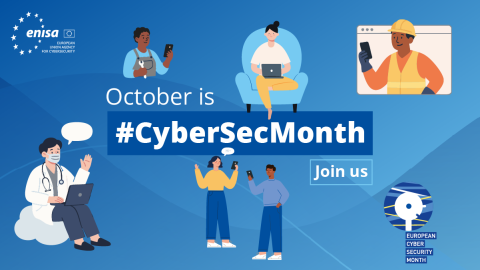
The results were released as European Cybersecurity Month begins across all 27 Member States.
Phishing was the most common workplace cyber threat, with 39% of employees reporting fraudulent messages or websites designed to steal data or gain unauthorised access. Employees also reported attempts to steal personal data (18%) and passwords (16%), malware attacks (17%), and artificial intelligence (AI)-generated scams (15%).
The findings point to a gap between awareness and daily practice. While 83% said the potential consequences of cyberattacks are serious, only 48% said they could recognise an AI-generated fake video. Overall, just 18% said their organisation had experienced no cyber incident at all, as far as they are aware.
Read the full press release.
Read more about the EU cybersecurity policies.